Blog
Chemyo SARMs Understanding Research Compounds and Laboratory Quality in 2026

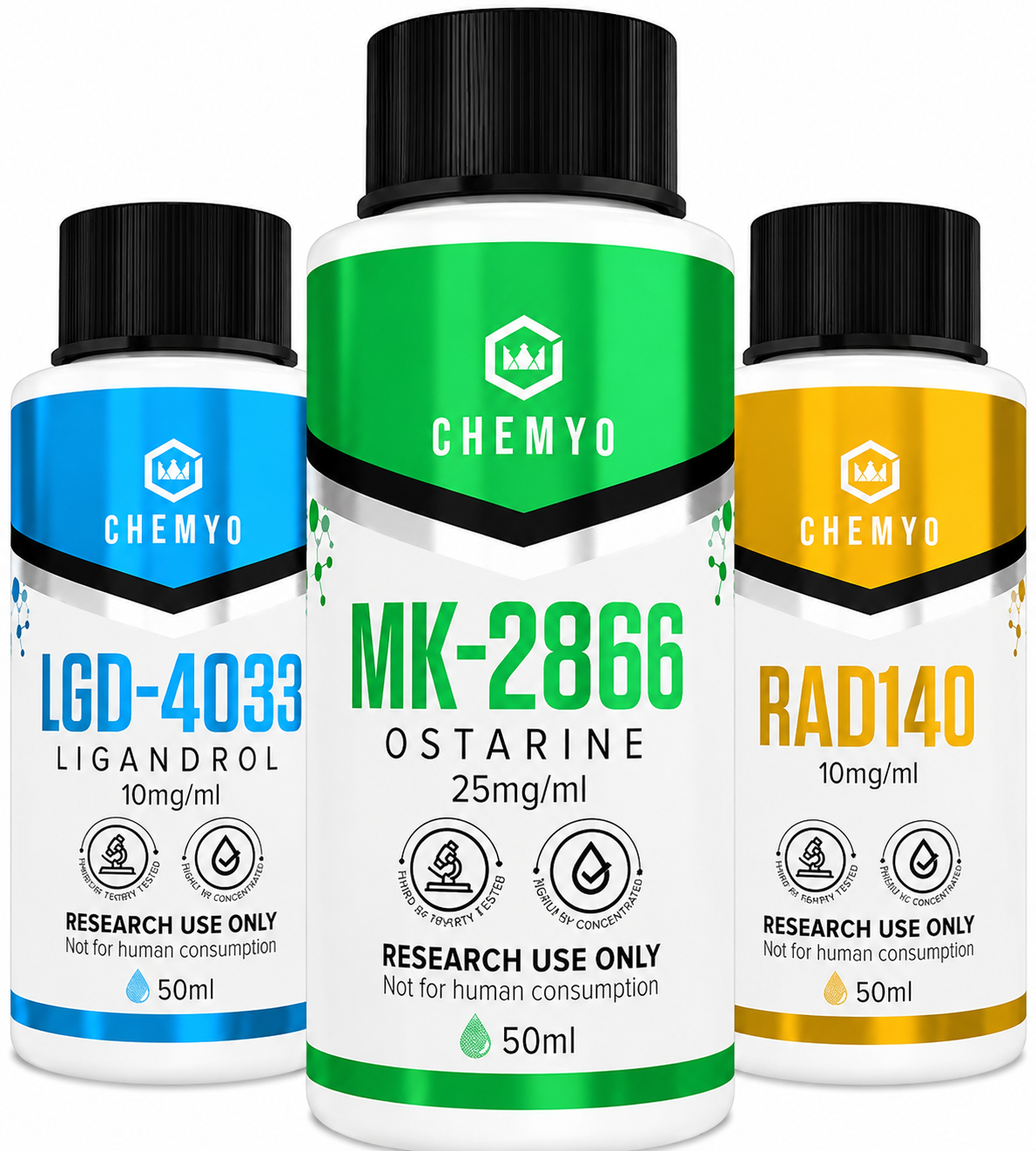
Chemyo SARMs have become a popular topic among laboratory researchers interested in selective androgen receptor modulators (SARMs). As scientific interest in these compounds has grown, researchers increasingly look for suppliers that emphasize product purity, analytical testing, and quality assurance.
This guide explains what Chemyo SARMs are, why quality standards matter, and how laboratories evaluate research compounds before incorporating them into scientific studies.
What Are SARMs?
Selective Androgen Receptor Modulators (SARMs) are a class of research compounds designed to selectively interact with androgen receptors in experimental models. Researchers investigate SARMs to better understand receptor activity, tissue selectivity, and other biological mechanisms.
These compounds continue to be the subject of laboratory and preclinical research. Their safety and effectiveness for general medical use have not been established for many applications, making responsible research practices essential.
Chemyo SARMs Product Categories
Research suppliers often provide a variety of SARMs for laboratory use. Commonly researched compounds include:
RAD-140 (Testolone)
RAD-140 is frequently studied because of its high affinity for androgen receptors, making it one of the most recognized SARMs in laboratory research.
Ostarine (MK-2866)
Ostarine is commonly investigated in studies involving muscle and bone biology due to its selective receptor activity.
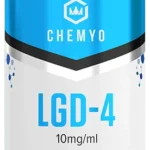
LGD-4033 (Ligandrol)
LGD-4033 is another well-known research compound that scientists use to explore androgen receptor modulation in experimental settings.
S-23
S-23 attracts interest in advanced laboratory research because of its potency and receptor selectivity.
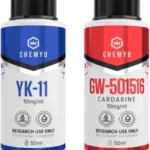
YK-11
Although often grouped with SARMs, YK-11 possesses unique characteristics that continue to be explored in scientific research.
Why Quality Matters
The quality of research compounds plays a significant role in producing reliable scientific data. Laboratories typically look for suppliers that prioritize:
- Third-party analytical testing
- High-purity research materials
- Batch-to-batch consistency
- Transparent Certificates of Analysis (COAs)
- Secure packaging and labeling
- Detailed product specifications
Reliable quality control helps reduce variability and supports reproducible research outcomes.
Third-Party Laboratory Testing
Independent testing is one of the strongest indicators of a supplier's commitment to quality. Third-party laboratories analyze research compounds for purity, identity, and consistency using validated analytical methods.
Researchers often review laboratory reports before purchasing materials for scientific experiments.
Storage and Handling
Proper storage is essential for maintaining the integrity of research compounds. Laboratories generally follow manufacturer recommendations, which may include:
- Storing products in a cool, dry environment
- Protecting materials from direct sunlight
- Keeping containers tightly sealed
- Avoiding unnecessary exposure to moisture and heat
Correct storage practices help preserve compound stability throughout research projects.
How Researchers Evaluate a Supplier
Before selecting a supplier of research compounds, laboratories commonly consider:
- Availability of Certificates of Analysis
- Independent laboratory verification
- Product purity documentation
- Reputation within the research community
- Packaging quality
- Shipping reliability
- Customer support responsiveness
These factors contribute to a more informed purchasing decision.
Best Practices for Laboratory Research
Responsible scientific research includes:
- Using compounds only for legitimate laboratory purposes
- Maintaining accurate research records
- Following institutional safety procedures
- Storing compounds according to recommended guidelines
- Reviewing analytical documentation before use
Adhering to these practices promotes research integrity and reproducibility.
Conclusion
Chemyo SARMs continue to generate interest among laboratory researchers because of the growing body of scientific research surrounding selective androgen receptor modulators. When evaluating any supplier, researchers should prioritize documented quality standards, transparent testing procedures, and consistent manufacturing practices over marketing claims.
Carefully reviewing Certificates of Analysis, independent laboratory testing, and quality assurance measures helps laboratories obtain research materials that support reliable experimental work.
Disclaimer
The compounds discussed in this article are intended for laboratory and scientific research purposes only. They are not approved for human consumption or therapeutic use unless specifically authorized by applicable regulatory authorities.